
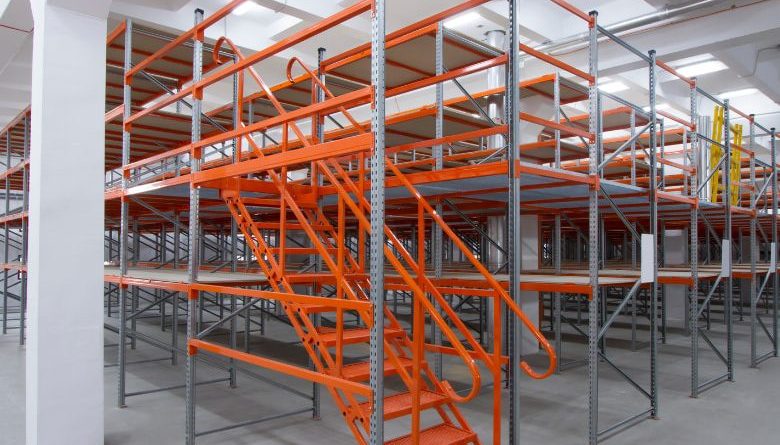
Aluminum rack systems offer functional solutions across a wide range of industries, from the food sector and cold storage facilities to hygienic facilities and retail display areas, thanks to their high corrosion resistance, lightweight structure, and modern appearance. As Modern Rack, the aluminum systems we incorporate into our projects optimize businesses’ storage and display processes with easy installation, long service life, and high hygiene standards.
Advantages of Aluminum Rack Systems
From an engineering and material-quality perspective, aluminum systems provide unique advantages in environments where the risk of corrosion is high and hygienic conditions are critical:
- Lightweight and High-Strength Structure: Although lighter than heavy-duty steel systems, aluminum racks offer high load-bearing capacity, helping accelerate transportation and installation processes.
- Superior Corrosion Resistance: Thanks to their natural resistance to oxidation, moisture, and chemical agents, aluminum systems do not rust. They are ideal for cold storage facilities and sterile environments.
- Fast and Practical Installation: Thanks to boltless or modular locking mechanisms, these systems can be installed quickly without the need for extensive hand tools and can be easily reconfigured.
- Modular Modification: Shelf spacing can be easily adjusted according to changing stock types and retail layout requirements.
- Long Service Life and Low Operating Costs: Aluminum racks maintain their shape for years without deformation and generally do not require painting or extensive maintenance.
Industries Where Aluminum Rack Systems Are Used
Our aluminum rack configurations stand out in many industries where hygiene, aesthetics, and functionality are required together:
- Food and Cold Storage (HORECA): Used in +4°C to -40°C cold storage facilities, restaurant kitchens, and food preparation areas. Their hygienic structure helps minimize bacterial growth.
- Healthcare, Laboratory, and Pharmaceutical Industries: Preferred for the safe storage of medical products, pharmaceuticals, and laboratory materials thanks to their surfaces that can meet demanding sterilization requirements.
- Retail and Concept Stores: With their elegant anodized or electrostatic powder-coated finishes, they provide aesthetically appealing display areas in retail environments.
- Industrial Clean Rooms: Their dust-resistant and easy-to-clean technical structure makes them suitable for sensitive production environments.
Installation and Setup Standards for Aluminum Rack Systems
Correct installation procedures are critical for ensuring that the system provides safe and reliable performance over the long term:
- Floor Analysis and Level Adjustment: Before installation, the floor conditions are inspected. Adjustable leveling feet are used to ensure precise alignment and structural stability.
- Modular Lock Integration: When connecting clip-in and interlocking modules, all connection components must be properly seated and secured.
- Static Load Distribution: Upright profiles and shelves should be positioned according to the load tolerances specified by the manufacturer.
Comparison with Other Rack Systems
When compared with different rack materials, aluminum systems stand out in several key areas:
- Compared to Steel Systems: Steel racks provide high tonnage capacity for heavy industrial storage, while aluminum systems stand out in humid environments due to their corrosion resistance, lightweight structure, and hygienic properties.
- Compared to Wooden Systems: Unlike wood, aluminum is not affected by moisture, does not splinter, does not absorb odors, and is suitable for hygienic washing.
- Compared to Plastic Systems: Aluminum racks can support significantly higher static loads without sagging or deflection compared with plastic shelving systems.
Factors to Consider When Choosing an Aluminum Rack System
The following technical criteria should be considered when determining the right aluminum rack configuration for your project:
- Load Capacity per Shelf (kg): Profiles with the appropriate wall thickness should be selected according to the total weight of the products to be stored.
- Operating Environment Conditions: The humidity level, temperature conditions (such as cold storage), and required hygiene standards of the storage area should be clearly identified.
- Wire Grid or Solid Shelf?: Wire grid shelves are preferred in areas where cold air needs to circulate freely between shelves, while solid shelves are more suitable for storing small items.
- Space Dimensions and Ergonomics: Ceiling height, loading access distances, and aisle widths should be properly measured and scaled according to the storage or retail area.
Cleaning, Maintenance, and Hygiene Standards
Practical maintenance procedures help aluminum racks maintain their original performance and hygienic surface quality:
- Routine Cleaning: They can be easily cleaned using neutral surface cleaners and damp cloths.
- Pressure Washing Compatibility: In food-processing facilities, they are suitable for direct water washing and steam sterilization and are resistant to rust.
- Periodic Connection Inspection: In areas subject to heavy loading, the stability of connection clips and leveling feet should be inspected once a year.
Current Trends in the Aluminum Rack Market
Innovative approaches that increase efficiency and transform storage architecture include:
- Recyclable and Eco-Friendly Structure: Since aluminum is 100% recyclable, its use can contribute to green building initiatives and sustainable business certifications.
- Antibacterial Surface Technologies: New-generation surface treatments using specialized anodized coatings are increasingly being used to minimize bacterial adhesion.
- Removable Modular Plastic Grids: Removable plastic shelf panels mounted onto aluminum frames and suitable for dishwasher cleaning are becoming increasingly popular in the HORECA sector.




Leave a Reply