

Metal shelving systems are load-bearing structures designed to store a wide range of inventory safely, systematically, and accessibly, from industrial raw materials and commercial products to archive documents and spare parts. Manufactured from steel, iron, and high-strength aluminum alloys, these systems are engineered with varying static load capacities to maximize logistics and operational efficiency.
Metal shelving is an essential infrastructure component in high-traffic environments such as warehouses, logistics centers, factories, retail stores, offices, and workshops. Thanks to its modular structure, it provides flexible solutions for changing storage requirements.
Technical Features and Structural Advantages
The main engineering features that distinguish metal shelving systems from standard storage equipment in industrial and commercial environments include:
- High Static Load Capacity: Heavy-duty models manufactured especially from cold-rolled steel sheets and structural steel profiles allow high-weight loads to be stored safely.
- Modular Configuration: Thanks to their dismantlable and expandable structure, these systems can be reconfigured when the facility layout changes or additional storage capacity is required.
- Adjustable Shelf Levels: Perforated upright systems allow shelf spacing to be adjusted according to the dimensions of the stored products.
- Corrosion-Resistant Surface Protection: Electrostatic powder coating technology provides resistance against environmental factors, scratches, and chemical deterioration.
- Ergonomic and Hygienic Use: Smooth surfaces are easy to clean and help minimize dust accumulation, offering an advantage in food, pharmaceutical, and other hygiene-sensitive storage environments.
Industry-Specific Applications
Metal shelving systems are actively used across different industries according to their required load capacities and durability levels.
1. Industrial Warehouses and Logistics Centers
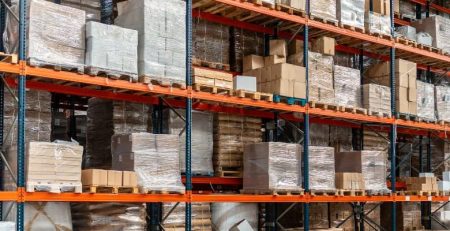
Heavy-duty and back-to-back racking systems are used for the high-volume storage of palletized or boxed goods and help optimize inventory management processes based on FIFO or LIFO principles.
2. Manufacturing Facilities and Workshops
Drawer units and open-type metal shelving systems increase workflow efficiency when storing raw materials, semi-finished goods, spare parts, and hand tools.
3. Automotive and Garage Sector
Metal shelving enables the safe storage of heavy vehicle maintenance equipment, tires, engine components, and chemical maintenance products.
4. Corporate Archives and Offices
These systems help organize folders, files, and critical documents in a durable and orderly structure while providing greater protection against external factors.
5. Retail Stores — Back Office and Stock Areas
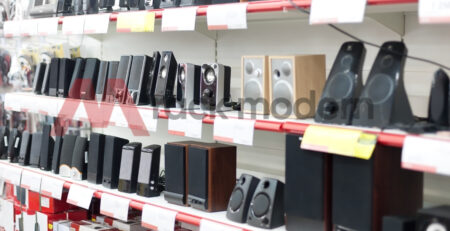
Metal shelving is used in storage areas behind retail sales floors to categorize products, support barcode-based inventory management, and facilitate rapid replenishment of store shelves.
Critical Risk Factors and Safety Measures
The following risk factors must be effectively managed to ensure the operational safety of metal shelving systems:
- Static Load Overload: The maximum load capacity of each shelving module, as determined through engineering calculations, must never be exceeded.
- Corrosion and Rust: In humid environments or areas exposed to chemical vapors, such as cold storage facilities or wet areas, galvanized or stainless steel solutions should be preferred.
- Stability and Tipping Risk: Tall metal shelving units must be securely anchored to floors and, where required, walls. Loads should also be distributed evenly toward the base of the structure.
- Fastener Inspections: Bolts, nuts, pins, and other connection components should be inspected periodically and tightened where necessary to prevent loosening.
Engineering Criteria for Choosing the Right Metal Shelving System
When selecting the most suitable shelving system for your needs, the following parameters should be evaluated together:
- Load Analysis: The total weight to be stored on the shelving system and the maximum load capacity required for each individual shelf level.
- Material Dimensions: The width, length, depth, and overall volume of the products to be stored.
- Space Optimization: Ceiling height, floor area, and the required operating aisle width for forklifts and other material-handling equipment.
- Environmental Conditions: Exposure to humidity, temperature fluctuations, chemicals, or outdoor conditions.
- Future Flexibility: The modular expansion potential of the system in line with the company’s expected growth and changing storage requirements.



Leave a Reply