

Retail shelving systems are strategic fixtures used in the retail sector to display products in an organized and visually appealing way, optimize inventory control, and maximize the efficient use of architectural space. In physical retail environments, shelves are not merely static storage units; they are essential marketing tools that influence consumer behavior, reflect brand identity, and directly shape the customer experience.
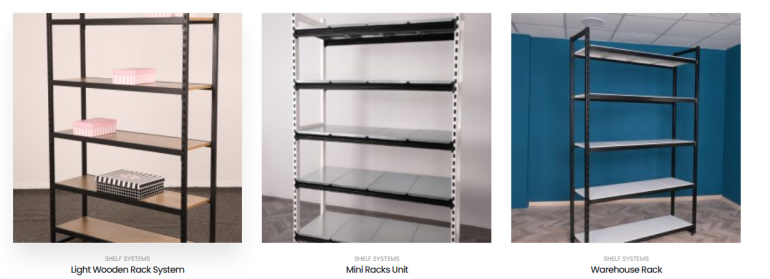
Key Dynamics of Retail Shelving Systems
A high-quality shelving infrastructure supports both operational processes and visual presentation in retail spaces in several key ways:
- Visual Merchandising and Presentation: Organizing products by category helps customers find what they are looking for more easily, contributing to a smoother and more satisfying shopping experience.
- Visual Hierarchy Management: Strategic display areas can be created for new-season products, promotional items, or high-margin products to maximize visibility and customer attention.
- Stock and Inventory Integration: Shelving systems compatible with barcode technologies, RFID systems, and FIFO (First In, First Out) principles help minimize stock losses both in storage areas and on the sales floor.
- Modular Flexibility: Shelf configurations can be quickly adapted during seasonal transitions, promotional periods, and changes in product ranges.
Category Management and Product Placement Strategies
Effective categorization plays a critical role in managing customer circulation within a store:
- Category-Based Segmentation: Products should be grouped logically according to the sector, such as tops, bottoms, and accessories in clothing stores, or communication devices, computers, and peripherals in electronics stores.
- Complementary Product Placement: Positioning related products close to one another, such as laptops with bags or accessories, can help increase the average basket value.
- Eye-Level Hot Spot Placement: Fast-selling products or items that require additional visibility should be positioned directly within the customer’s natural field of vision.
Design, Visual Communication, and Lighting Integration
- Brand Consistency: Shelf colors, material quality—such as wood, metal, or hybrid structures—and the overall design language should be aligned with the brand identity.
- Strategic Lighting: Spotlights or integrated LED strip solutions around shelving units can highlight product details and create a more refined atmosphere within the store.
- Information and Labeling: Integrated labeling areas that clearly display prices, promotions, and product features can simplify and accelerate the customer’s purchasing decision.
Criteria for Choosing the Right Shelving System
- Physical Product Characteristics: The dimensions, weight, and volume of the products to be displayed should be taken into consideration.
- Spatial Ergonomics: The system should maximize display capacity without restricting customer walkways and circulation areas.
- Load-Bearing Capacity: For heavier product categories, such as housewares or hardware, high-capacity shelving systems with steel or metal structures should be preferred.
- Future-Oriented Modularity: Expandable shelving infrastructures should be selected to accommodate future growth, layout changes, and evolving retail concepts.


Leave a Reply